Hamida Lovely Font Review: A Script Typeface for Campaigns
It was 4:30 PM on a Tuesday, and I was staring at a mobile preview for an upcoming seasonal sale campaign. The layout was solid, the product photography was crisp, but the headline felt dead. We were using our standard bold sans serif for everything, and while it was legible, it lacked the emotional hook needed to stop a thumb from scrolling past. I needed something that felt personal, slightly nostalgic, but still modern enough for a digital ad set. That is when I pulled Hamida Lovely into the workflow.
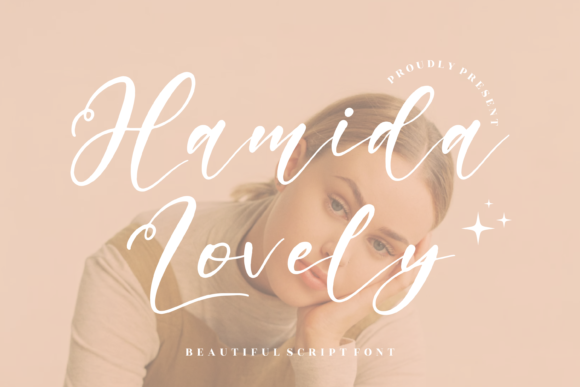
This script font immediately changed the temperature of the design. Hamida Lovely is not just another decorative typeface; it is a tool for creating connection. In the context of a real campaign, where every pixel fights for attention, this typeface brings a timeless style that feels handcrafted yet professional. It sits perfectly in that sweet spot between a casual handwritten note and a polished editorial title.
Visual Personality and Brand Voice
When you drop Hamida Lovely into a layout, the first thing you notice is its flow. Unlike some script fonts that feel rigid or overly swirly, this one has a natural rhythm. It mimics the pressure variations of a real pen, giving it an organic feel that resonates well with audiences tired of sterile corporate aesthetics. For brand managers and content creators, this means instant personality.
I tested it on a series of Instagram story highlights for a lifestyle brand launch. The goal was to convey warmth and exclusivity without being pretentious. Hamida Lovely delivered exactly that. Its curves are generous, and the letterforms connect smoothly, making it ideal for short headlines, callouts, and logo-style text. It works exceptionally well when you need to humanize a brand identity, turning a standard promo graphic into something that feels like an invitation rather than a demand.
Performance in Digital Ad Sets and Social Media
The real test for any display font today is how it performs on small screens. We often design on large monitors, but our audience consumes content on phones while commuting or waiting in line. I placed Hamida Lovely over a busy background image for a YouTube thumbnail and a Pinterest pin. The result was surprisingly robust.
Because the strokes have good contrast and the x-height is balanced, the text remained readable even when scaled down. However, there is a caveat for social media managers: do not use it for long body copy. This is strictly a creative font meant for impact. It shines in:
- YouTube Thumbnails: Great for 3-4 word hooks that need to pop against colorful backgrounds.
- Instagram Reels Covers: Adds a stylish overlay that doesn't distract from the video content.
- Pinterest Pins: Perfect for titles on DIY, fashion, or food graphics where aesthetics drive clicks.
- Email Headers: Creates a welcoming top section for newsletters, provided the main message uses a cleaner font.
In a fast-scrolling feed, the unique shapes of Hamida Lovely help break the pattern of generic geometric sans serifs. It signals to the viewer that this content is different, encouraging a pause. That split-second pause is often the difference between a scroll-past and an engagement.
Strategic Font Pairing for Hierarchy
A common mistake I see in amateur campaign designs is pairing a complex script with another busy font. With Hamida Lovely, less is more. To maintain clear visual hierarchy, I paired it with a clean, neutral sans serif font like Montserrat or Lato for the supporting text.
In a recent webinar banner design, I used Hamida Lovely for the main topic title to give it a premium, workshop feel. For the date, time, and registration details, I switched to a simple sans serif. This contrast ensured that the most important information (the "what") had personality, while the logistical information (the "when" and "how") remained ultra-legible. You could also pair it with a modern serif font if you are aiming for a more high-end, editorial look, perhaps for a luxury product teaser or a fashion lookbook.
Readability and Background Considerations
Script fonts can be tricky on low-contrast backgrounds. During my review of Hamida Lovely across different assets, I found that it performs best on solid colors or images with plenty of negative space. If you are placing it over a detailed photograph, always add a subtle drop shadow or a semi-transparent overlay to ensure the delicate tails and loops don't get lost.
For dark mode designs or night-time ad sets, the white version of the font holds up well, but be careful with stroke weight. On very small mobile previews, the thinnest parts of the letters might disappear if the resolution is low. Always check your export settings and view your designs at 100% zoom on a actual device before launching a campaign.
Practical Workflow and Licensing Checks
Before finalizing any asset for a client or a commercial product launch, it is crucial to check the technical specifications. Hamida Lovely comes as a premium font file, likely in OTF or TTF formats, which ensures compatibility across Adobe Creative Cloud, Canva, and other design tools.
If you are building branded templates for an online shop or creating digital products for sale, verify the commercial license. Most premium script fonts allow for use in marketing materials, but merchandise (like printing the font on t-shirts) sometimes requires an extended license. Also, check for multilingual support if your campaign targets international audiences; ensuring the font includes the necessary glyphs and accents prevents embarrassing typos in localized ads.
While Hamida Lovely is versatile, it is not a universal solution. Avoid using it for dense information, legal disclaimers, or formal corporate communications where authority and neutrality are required. It is a font for storytelling, emotion, and style. When used in the right context—like a holiday sale announcement, a course launch, or a brand refresh—it elevates the entire visual system. It turns a standard design into a memorable experience, proving that the right typeface is indeed a strategic asset in any marketer's toolkit.